
Direct answer
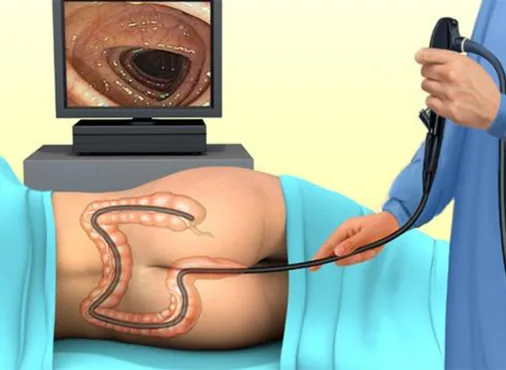
A colonoscopy is a camera test of the large bowel. It is advised for rectal bleeding that is not clearly explained, a persistent change in bowel habit, unexplained anaemia, a positive stool test, or a strong family history of bowel cancer. It is also used to review polyps. Dr Neel Patel arranges and interprets this test for patients at Niraaya Hospital, Kudasan, Gandhinagar. Bright bleeding can still be piles, but new bleeding after 40, dark blood, or bleeding with weight loss should not be blamed on piles without a check.
Key points
- New bowel symptoms deserve a diagnosis, not only a piles cream.
- The quality of the test depends on a clean bowel, so finish the prep.
- Most people go home the same day.
- A normal colonoscopy is a useful result. It rules out serious disease in the colon.
Who should talk to a surgeon about colonoscopy?
Consider a consultation if you have any of the following:
- Bleeding from the back passage, especially if it is new, dark, or mixed in the stool
- A change in stool calibre or frequency that lasts more than a few weeks
- Unexplained tiredness with low blood counts
- Unintentional weight loss or persistent abdominal pain
- A parent or sibling with bowel cancer or advanced polyps
Piles remain common, and our piles guide explains when they are the likely cause. The point of a scope is to avoid treating the wrong condition for months.
What happens on the day?
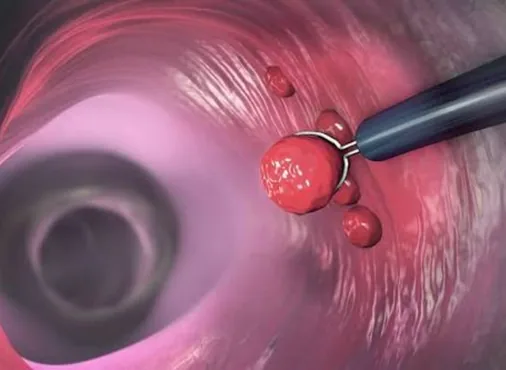
You drink a prescribed cleansing solution so the camera can see the lining. Sedation keeps most people comfortable. The scope is passed through the anus and around the colon. Small polyps are often removed at once. You need someone to take you home if you have had sedation, and you should not drive that day.
Upper GI endoscopy is a different test, through the mouth, for swallowing trouble, persistent reflux, or suspected stomach bleeding. Dr Neel Patel will say which one, or both, fits your symptoms. Both are described on our endoscopy and colonoscopy page.
After the test
Bloating and wind are normal for a few hours. Severe pain, fever, or a lot of bleeding afterwards are not, and should be reported the same day. Biopsy results, if tissue was taken, usually return in a few days and are explained at review.
Frequently asked questions
Is colonoscopy painful?
With sedation, most patients feel pressure or cramp rather than sharp pain, and many remember little of the test. You can discuss the level of sedation beforehand.
Can colonoscopy be done in Gandhinagar?
Yes. Dr Neel Patel offers colonoscopy and related endoscopy at Niraaya Hospital, near PDPU Crossroad, Kudasan.
How often is it repeated?
That depends on what is found. A normal test in an average-risk adult is not repeated every year. Polyps may need a sooner follow-up.
What if I have piles and bleeding?
Piles can be the cause, and they can also hide another cause. After 40, or if the bleeding pattern is atypical, a scope is often the safer decision.